Dataset · 12 Nov 2026
An open test for filling in missing signs
Kanichira, Singam, Katyal and Somala (IIT Hyderabad) · Zenodo 24164070
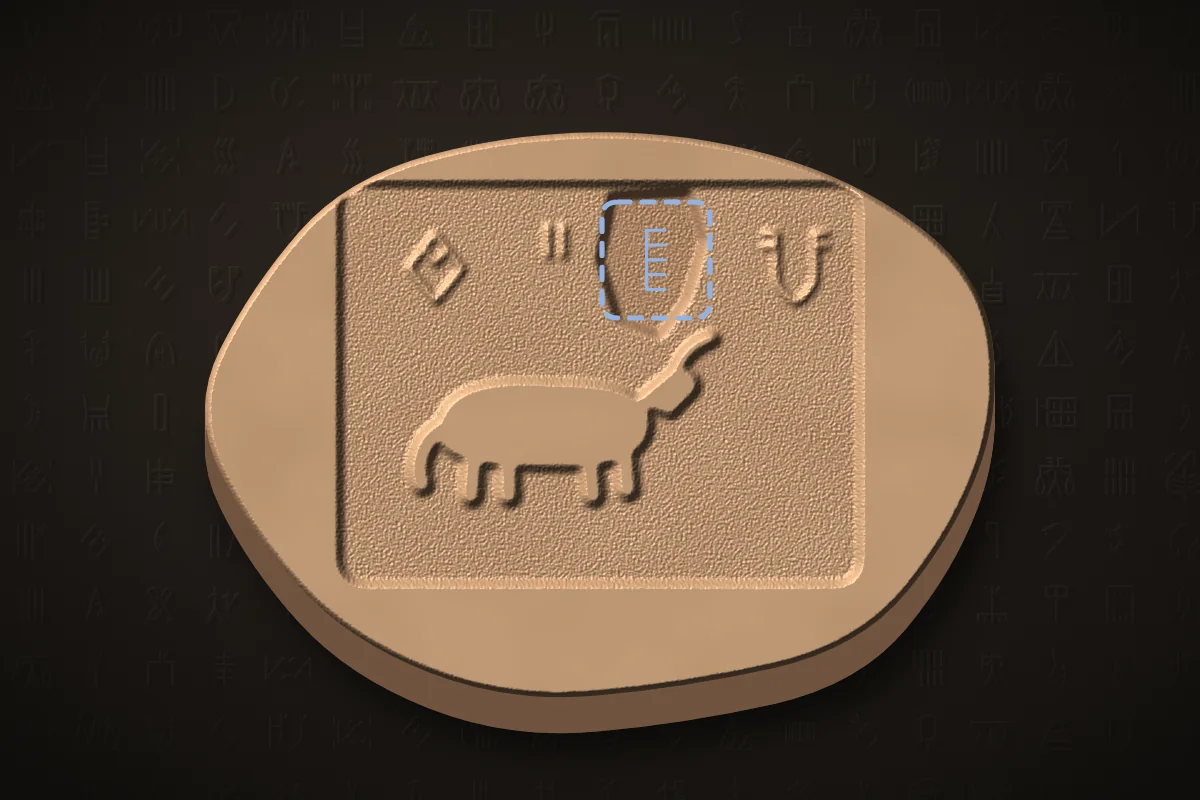
In a sentence
A team released code, data and predictions for a model that guesses damaged or missing signs.
In plain words
Many seals are chipped, so some signs are lost. This team trained a model to fill the gaps and published everything: the code, how they split the texts for training and testing, and the model’s guesses. Because it is all open, anyone can check how good it really is.
Technical detail
Neural masked-sign restoration with public train/test splits and predictions (CC BY 4.0 and MIT, about 6 MB). The record page does not describe the corpus or the model. The main risk is leakage: near-copies of the same seal text can sit on both sides of a split, which inflates scores.
What we take from it
TestedWe graded it. 36% of its test texts have a near-copy in its training texts. On clean texts the neural model does no better than a simple three-sign model (28.5% vs 29.8% right on the first guess).
The idea we are borrowing
Grade the new sign-restoration model fairly, with near-copies kept out of its test set
Where it stands: Tested.