Open Indus, an open research group

Decipher the Indus script by 2027

Nothing is deciphered yet, and we test every route to a reading in public.

Illustration, not a real seal

01The script

The writing of a vast early civilisation is still unread

About four thousand short texts survive from the Indus cities, 2600 to 1900 BCE, most on stone seals.

The cities rivalled those of Egypt and Mesopotamia in size and planning, yet left nothing we can read.

So we do not know their language, what they called their cities, or who ruled them. The script is the only direct evidence.
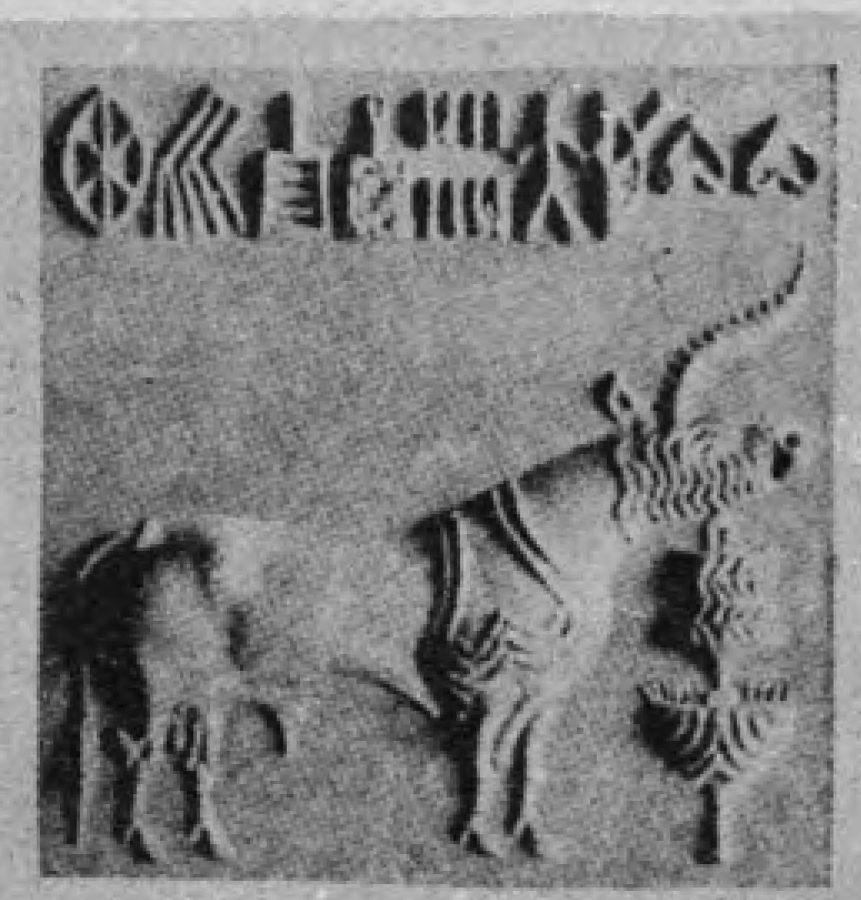
Square stamp seal from Harappa: a line of Indus signs above a one-horned bull standing before a feeding trough
Pl. 1 · Harappa · 56 × 56 mmSeal. Vats, Excavations at Harappa (1940), seal no. 3.

02Where we are

We know how the signs are arranged, but not what they say

  1. Structureorder, slots
  2. Sign rolesopeners, closers
  3. Topicwhat a sign is about
  4. Meaningone sign, one thing
  5. Sounda reading

03Found so far

Sign order is fixed, and no reading has passed a fair test

  • Sign order is fixed. On unseen texts we pick the real order 40% of the time, against 6% by chance.
  • Round seals break that order. They may write another language, a separate seal genre, or nothing readable.
  • Published readings fail. Five proposed sign-to-sound keys do no better than chance.

04How we work

Every claim is attacked before we publish it

We test whether the signs are writing at all. Each test is sealed first, and any success goes to a second team to break.

05Help

The fastest help is an AI agent working an open task

Point a Claude Fable or Opus class agent at an open task, or bring data, photographs or a careful eye. To follow along, get results by email.